
|
Getting your Trinity Audio player ready…
|
How Rail & Bulk Transportation Providers Can Strengthen Operations with Digital Records
Rail and bulk transportation operations depend on precision, continuity, and accountability. From freight manifests and commodity records to maintenance logs, safety reports, and regulatory filings, documentation plays a critical role in keeping large-scale operations running efficiently. Yet many rail and bulk providers still rely on paper records that slow access, increase risk, and complicate compliance.
As regulatory oversight increases and operational demands grow, document scanning has become a strategic tool for modernizing records management across rail and bulk transportation organizations.
The Hidden Cost of Paper Records
Rail and bulk transportation teams often manage decades’ worth of documentation spread across terminals, storage rooms, and offsite locations. While paper records may feel familiar, they introduce real operational challenges. Retrieving historical data for audits, inspections, or incident investigations can take hours—or days—disrupting daily operations and diverting staff from higher-value work.
Paper files also create visibility gaps. When documents live in different locations or departments, teams struggle to access the same information at the same time. Over time, storage costs increase, records become harder to manage, and compliance responses grow more stressful.
Digital Records Bring Structure and Speed
Document scanning transforms paper records into structured, searchable digital archives. Instead of sorting through boxes, teams can locate documents by railcar number, shipment, commodity type, date, or document category in seconds.
This level of access improves coordination across operations, maintenance, safety, and administrative teams. When issues arise—whether during a compliance review or a safety investigation—digital records allow teams to respond quickly and confidently without interrupting daily workflows.
Supporting Compliance and Regulatory Readiness
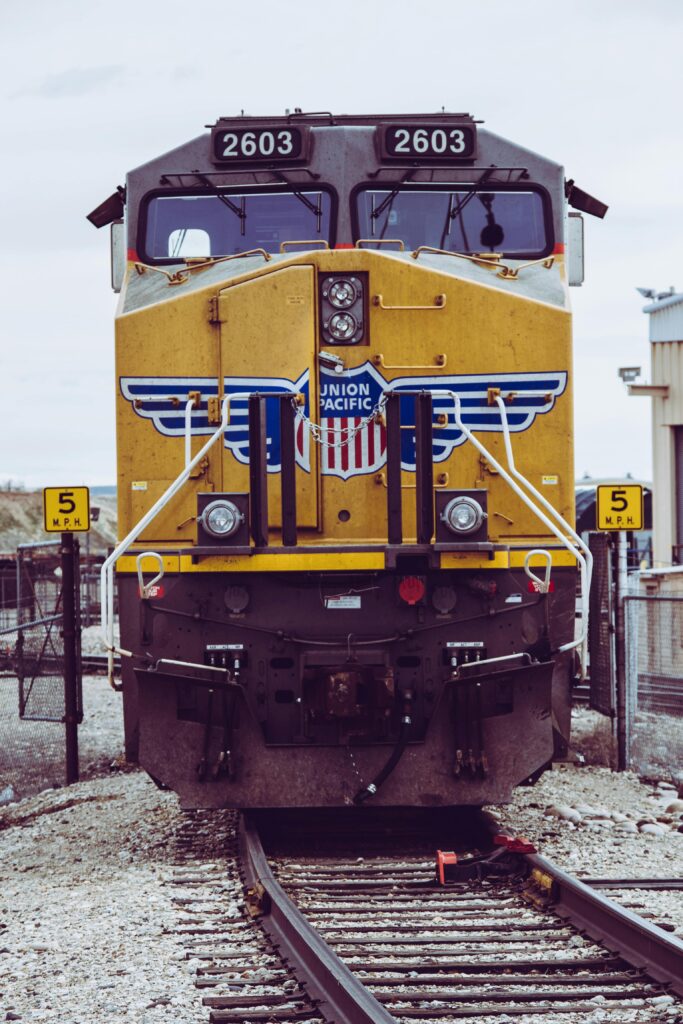

Rail and bulk transportation providers operate under strict regulatory oversight. Audits, inspections, and reporting requirements demand accurate, accessible documentation. Digital archives ensure that records are complete, organized, and readily available when regulators request them.
By digitizing records, organizations reduce the risk of missing files, incomplete documentation, or delayed responses. Digital records also create a clear audit trail, making it easier to demonstrate compliance and maintain consistency across reporting periods.
Protecting Sensitive and Operational Information
Rail and bulk transportation records often contain sensitive operational, financial, and regulatory data. Professional document scanning ensures strict chain-of-custody procedures from pickup through digitization. Documents are handled by trained professionals, processed in secure facilities, and never outsourced.
This structured approach protects records from loss, damage, or unauthorized access while maintaining accountability throughout the scanning process.
Preserving Continuity Across Long-Term Operations
Rail and bulk transportation organizations often operate on long timelines, with assets, contracts, and infrastructure spanning decades. Digital archives preserve institutional knowledge, ensuring critical information remains accessible even as personnel change or operations expand.
This continuity supports long-term planning, asset management, and operational consistency—without relying on aging paper files or institutional memory.

Moving Forward
For rail and bulk transportation providers, document scanning is more than a convenience—it’s a foundation for efficiency, compliance, and operational resilience. By converting paper records into secure, searchable digital archives, organizations gain visibility, control, and confidence in their records management processes.
As the industry continues to evolve, digital records help rail and bulk transportation teams stay prepared, responsive, and focused on keeping operations moving safely and efficiently.

Looking for reliable shredding, scanning, archiving, media conversion, cloud, and more services? Contact Liberty today for a free, no-obligation quote. Whether it’s a single-file box or an ongoing service agreement, we’ll help you choose the right solution for your home or business.
Questions and Answers
Why is document scanning important for rail and bulk transportation providers?
Document scanning helps rail and bulk transportation organizations improve record accessibility, reduce physical storage costs, and respond faster to audits, inspections, and operational reviews without delays caused by paper files.
What types of records should rail and bulk transportation companies digitize?
Common records include bills of lading, freight and commodity manifests, railcar maintenance logs, safety reports, regulatory filings, contracts, invoices, and employee records that must be retained for compliance and operational continuity.
How do digital records support regulatory compliance in rail and bulk transportation?
Digital archives keep records organized, searchable, and readily available, making it easier to demonstrate compliance during audits, inspections, and regulatory reviews while reducing the risk of missing or misplaced documentation.
How does document scanning improve operational efficiency?
Scanned digital records allow teams to locate documents instantly, reduce administrative delays, and improve coordination across operations, maintenance, safety, and compliance teams, keeping transportation networks running efficiently.
How are sensitive rail and bulk transportation records protected during scanning?
Documents are handled under strict chain-of-custody procedures, processed in secure facilities, and never outsourced, ensuring sensitive operational, financial, and regulatory information remains protected throughout the scanning process.