
|
Getting your Trinity Audio player ready…
|
Why Molecular & Genetic Testing Labs Are Digitizing Their Records
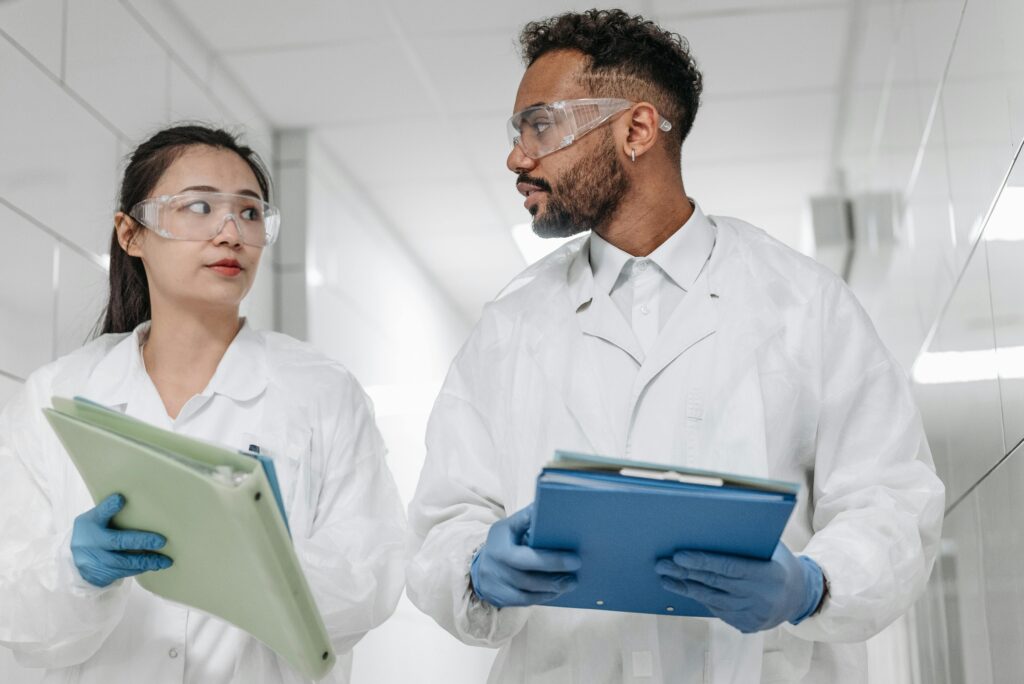
Molecular and genetic testing laboratories produce large volumes of specialized documentation every day. From sequencing reports and diagnostic test results to patient consent forms and compliance records, these documents are essential for accurate testing, patient care, and regulatory reporting.
When these records remain in paper form, laboratories often face challenges with organization, storage, and accessibility. Document scanning allows labs to convert paper records into secure, searchable digital files, improving workflow efficiency while protecting sensitive information.
Managing High Volumes of Testing Documentation
Molecular and genetic labs maintain a wide range of records, including:
- Genetic sequencing and analysis reports
- Molecular diagnostic test results
- Patient intake and consent forms
- Quality control and validation records
- Regulatory and compliance documentation
As testing volumes grow, maintaining these records in paper form can quickly become difficult to manage. Staff may spend unnecessary time locating files or organizing physical storage.
Digitizing records creates a structured digital archive that allows documents to be retrieved quickly when needed.
Improving Laboratory Efficiency
Professional document scanning converts paper files into high-resolution digital documents that can be indexed and searched using OCR (Optical Character Recognition).
This allows laboratory teams to locate documents by patient name, test type, or date in seconds rather than searching through filing cabinets or storage boxes.
Digital records also make it easier to share documentation internally between lab teams, administrative staff, and compliance personnel when required.


Strengthening Security and Compliance
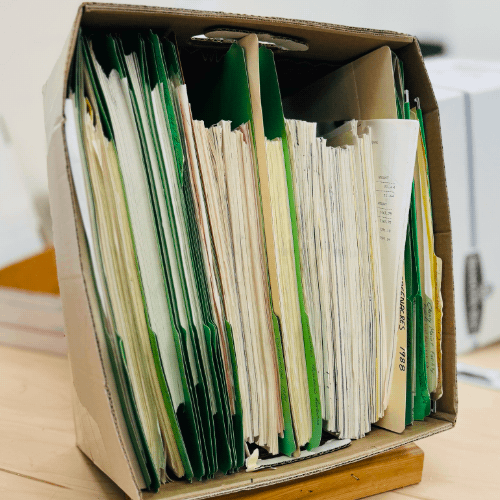
Molecular and genetic testing records often contain highly sensitive patient and laboratory data. Paper records can introduce risks if files are misplaced, damaged, or accessed without authorization.
Digitized records allow laboratories to implement stronger information security measures such as:
- Controlled document access
- Secure backups for disaster recovery
- Encrypted file delivery and storage
Well-organized digital records also simplify regulatory reviews, audits, and documentation requests.
Reducing Storage and Administrative Burden
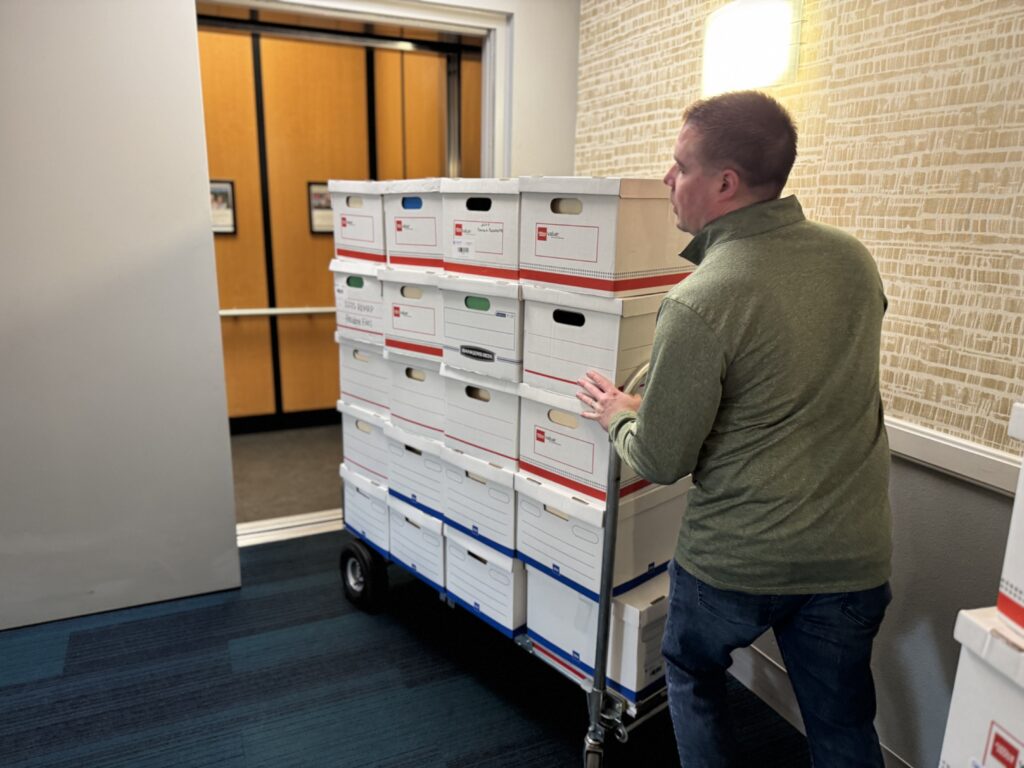
Laboratories that generate large volumes of testing documentation can quickly run out of physical storage space. Filing cabinets, storage rooms, and off-site storage can become expensive and difficult to manage.
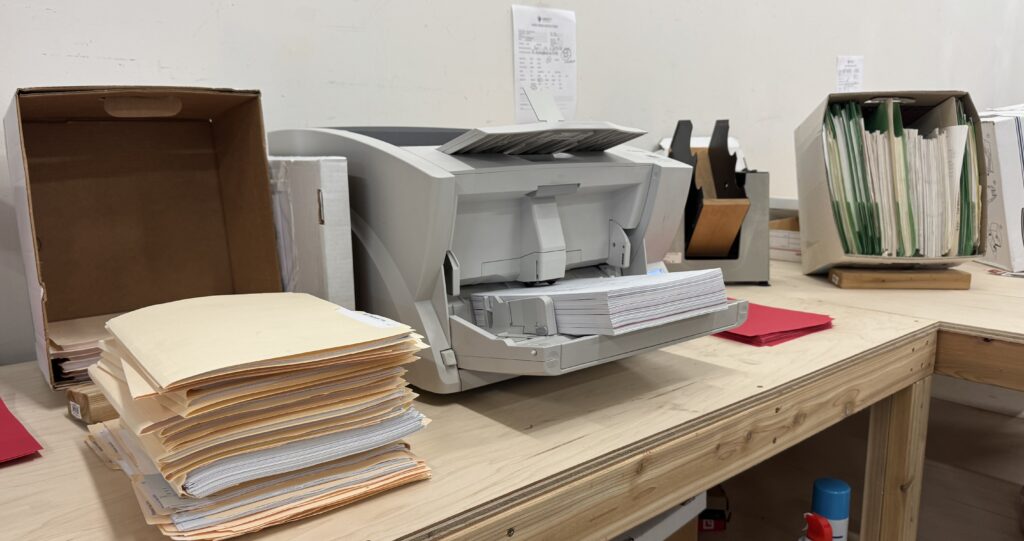
Document scanning eliminates the need for large paper archives by converting records into organized digital files. This helps laboratories free up valuable space while keeping documents accessible and securely stored.
Supporting Modern Laboratory Operations
As molecular diagnostics and genetic testing continue to grow, laboratories are increasingly adopting digital solutions to support efficient workflows and strong compliance practices.
By converting paper documentation into structured digital records, labs gain faster access to important information while reducing the risks associated with paper storage.
For many molecular and genetic testing facilities, document scanning is an important step toward modernizing record management and improving operational efficiency.
Looking for reliable shredding, scanning, archiving, media conversion, cloud, and more services? Contact Liberty today for a free, no-obligation quote. Whether it’s a single-file box or an ongoing service agreement, we’ll help you choose the right solution for your home or business.