
|
Getting your Trinity Audio player ready…
|
Why Hospice Providers Are Moving to Secure Digital Records
Hospice care is built on compassion, trust, and presence. It’s about supporting patients and families during some of the most important moments of their lives. Yet behind that care sits a growing volume of paperwork—medical records, care plans, physician orders, medication logs, compliance forms, and administrative files—that can quietly slow teams down.
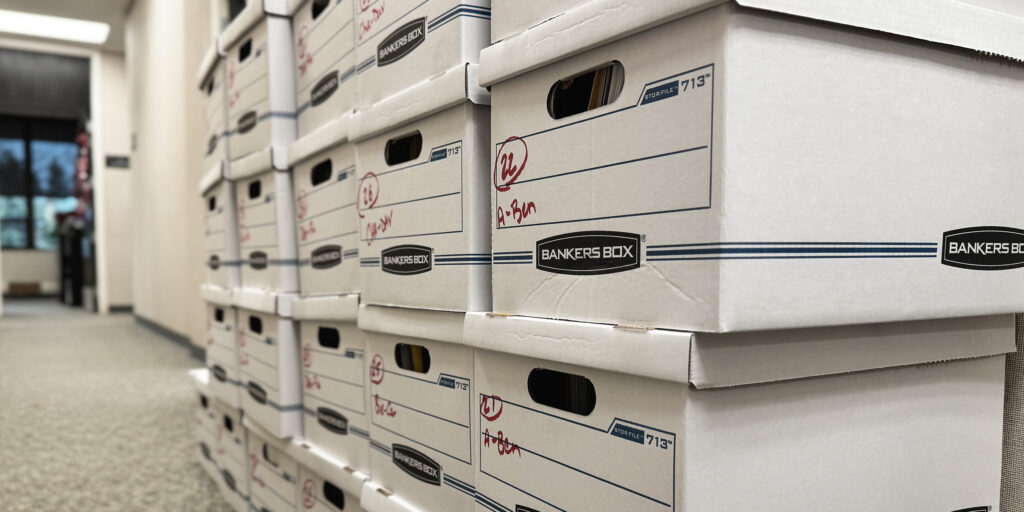
For many hospice providers, managing paper records has become a daily challenge. Filing cabinets overflow, storage rooms fill up, and staff lose valuable time searching for documents instead of focusing on patients. This is why more hospice organizations are turning to secure document scanning as a practical, compliant solution.
The Hidden Cost of Paper in Hospice Care
Paper records demand constant attention. Staff must file, retrieve, store, and protect documents every day, often across multiple shifts and locations. As hospice organizations grow or expand services, paper systems struggle to keep up.
Beyond inefficiency, paper records increase risk. Misfiled documents, delayed access to critical information, and storage limitations can impact care coordination and compliance. In hospice settings, where timing and accuracy matter, these challenges can create unnecessary stress for care teams.
How Digital Records Support Hospice Teams
Digitizing hospice records transforms how teams access and manage information. Once scanned and indexed, patient charts, care plans, medication logs, and physician orders become searchable and instantly available to authorized staff.
Digital access improves communication between nurses, physicians, social workers, and administrators. Teams can quickly find what they need, share updates securely, and maintain consistent care across shifts and locations—all without relying on physical files.
Security and Compliance Can’t Be an Afterthought
Hospice records contain highly sensitive health, personal, and financial information. Protecting that data is essential—not only for compliance, but for maintaining patient and family trust.
Liberty Scanning approaches hospice document scanning with security as a foundation. All documents are handled in-house using strict chain-of-custody procedures. Records are never outsourced. Once digitized, files can be securely stored within the Liberty Cloud with access controls and encryption that help reduce risk while supporting authorized access.


Let Technology Handle the Paperwork—So You Can Focus on Care
No one enters hospice care to manage filing cabinets. Hospice professionals choose this field to support patients and families with dignity, compassion, and attention.
By partnering with Liberty Scanning, hospice providers can offload the burden of paper record management. Secure, searchable digital records reduce administrative friction and allow teams to focus on what truly matters—delivering uninterrupted, patient-centered care.

Why Hospice Providers Choose Liberty Scanning
Liberty Scanning understands the responsibility hospice providers carry every day. Our secure document scanning services support compliance, accuracy, and efficiency without disrupting care delivery.
We handle every document with care and accountability, never outsourcing records and maintaining full transparency throughout the process. The result is a trusted digital foundation that supports hospice teams now and as they grow.


Looking Ahead: A More Supportive, Digital Hospice Environment
Digital document management isn’t about replacing compassion with technology—it’s about removing obstacles that get in the way of care. For hospice providers, secure document scanning creates breathing room: less clutter, fewer delays, and better access to critical information.
As hospice organizations continue to evolve, a secure digital record system helps ensure teams can stay focused on patients, families, and the moments that matter most.


FAQ
How long does it take to scan hospice records?
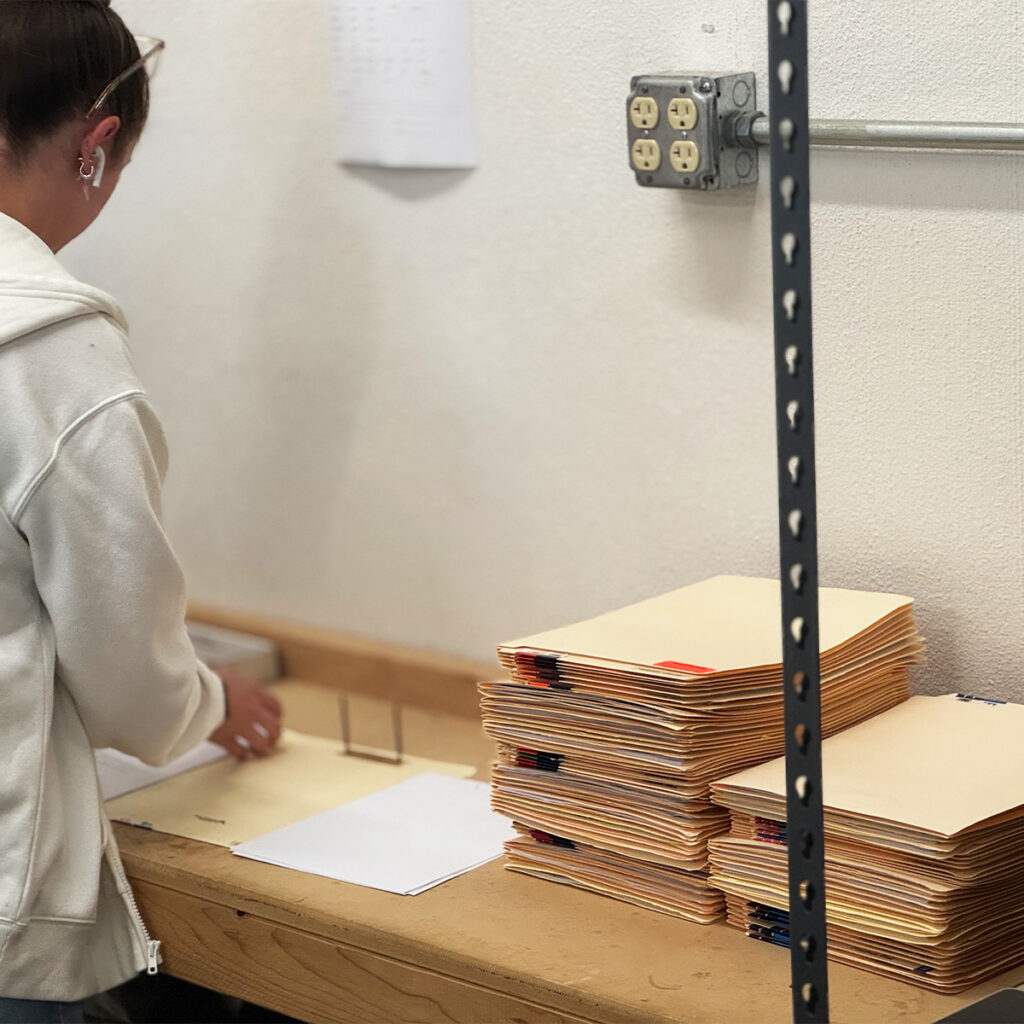
The timeline depends on the volume and condition of your records, but Liberty Scanning works efficiently to minimize disruption. Our structured workflows allow hospice providers to continue daily operations while records are securely scanned, indexed, and prepared for digital use.
Can hospice teams still access records during the scanning process?
Yes. Liberty Scanning coordinates projects to ensure hospice staff maintain access to active records when needed. Our controlled workflows support continuity of care while documents transition to digital format.
What types of hospice documents can be scanned?
Liberty Scanning can digitize a wide range of hospice records, including patient charts, care plans, medication logs, physician orders, advance directives, consent forms, billing records, and compliance documentation.
How does document scanning support hospice compliance and audits?
Digitized hospice records make it easier to locate, review, and present documentation during audits or compliance reviews. Searchable files reduce delays, improve accuracy, and help hospice providers demonstrate proper documentation practices.
Is document scanning suitable for small or community-based hospice providers?
Yes. Liberty Scanning works with hospice organizations of all sizes, from small community programs to multi-location providers. Our scalable scanning solutions adapt to your needs while maintaining security, compliance, and efficiency.
Looking for reliable shredding, scanning, archiving, media conversion, cloud, and more services? Contact Liberty today for a free, no-obligation quote. Whether it’s a single-file box or an ongoing service agreement, we’ll help you choose the right solution for your home or business.